

Gold Investing Myths vs. Facts: What New Investors Need to Know
For millennia, gold has been a universal symbol of wealth and stability. Yet for the modern U.S. consumer, the path to owning it is often clouded by a fog of misinformation. These persistent myths—passed down through generations and amplified in the digital age—create unnecessary barriers for individuals seeking to preserve their wealth outside of the traditional fiat currency system. Understanding the truth behind these misconceptions is the first step toward financial empowerment and making informed decisions about your future. This analysis will systematically dismantle the most common myths about gold investing, replacing fiction with the facts every new investor needs to know.MYTH: “You need a lot of money to start investing in gold.”
THE REALITY
The image of a wealthy investor locking away heavy gold bars in a personal vault is a powerful—but deeply misleading—cliché. The notion that gold ownership is reserved for the top 1% is one of the most significant and outdated barriers to entry. While a standard 400-ounce London Good Delivery bar is indeed worth a fortune, the market for gold is incredibly diverse and accessible to virtually any budget. Modern technology and innovative financial products have democratized gold ownership. Investors can now purchase fractional amounts of physical gold. This can take the form of small, 1-gram bars or coins, which cost a fraction of a full ounce. Even more accessible is the rise of digital gold platforms, which allow consumers to buy and own portions of a larger, professionally vaulted gold bar for as little as $20 or $50 at a time. This approach allows new investors to build their holdings incrementally, a practice known as dollar-cost averaging, which smooths out price volatility over time. The barrier to entry is no longer capital—it is knowledge.MYTH: “Gold is an outdated asset with no real utility.”
THE REALITY
Critics often label gold a “pet rock,” an unproductive asset that just sits in a vault. This perspective fundamentally misunderstands gold’s primary economic function: wealth preservation. Unlike stocks, which represent a claim on a company’s future earnings, gold is a tangible store of value with no counterparty risk. Its value is not dependent on a government’s fiscal policy or a corporation’s performance. This is precisely why it has served as a safe-haven asset for centuries. Research consistently shows that gold often has an inverse correlation with traditional financial assets like stocks and bonds. When markets are in turmoil or confidence in fiat currencies wanes, investors historically turn to gold, driving up its value. This makes it an essential tool for portfolio diversification and a powerful hedge against economic uncertainty. For a deeper dive into its performance during inflationary periods, it’s worth exploring gold’s historical role as a hedge against inflation. Furthermore, gold has significant industrial applications in electronics, dentistry, and aerospace, creating a consistent baseline of demand that is entirely separate from its investment appeal.MYTH (Partially True): “Gold doesn’t generate income.”
THE REALITY
This statement is true in its most traditional sense and is a key characteristic that investors must understand. If you buy a physical gold coin and store it in a safe, it will not produce interest, dividends, or any form of cash flow. Its financial return is derived solely from its price appreciation over time. For this reason, financial advisors typically recommend allocating only a portion—often 5-15%—of a portfolio to gold, balancing its stabilizing influence with income-generating assets like stocks and bonds. However, the financialization of the gold market is beginning to challenge this absolute. Some modern platforms and decentralized finance (DeFi) protocols are experimenting with models that allow owners to earn a yield on their gold holdings. These programs typically involve lending the gold (or a token representing it) to other parties, which introduces new layers of risk—namely counterparty and smart contract risk. While these innovations are expanding what is possible, the core, time-tested value proposition of gold remains its power as a non-yielding store of value and a hedge against systemic risk, not as an income-producing asset.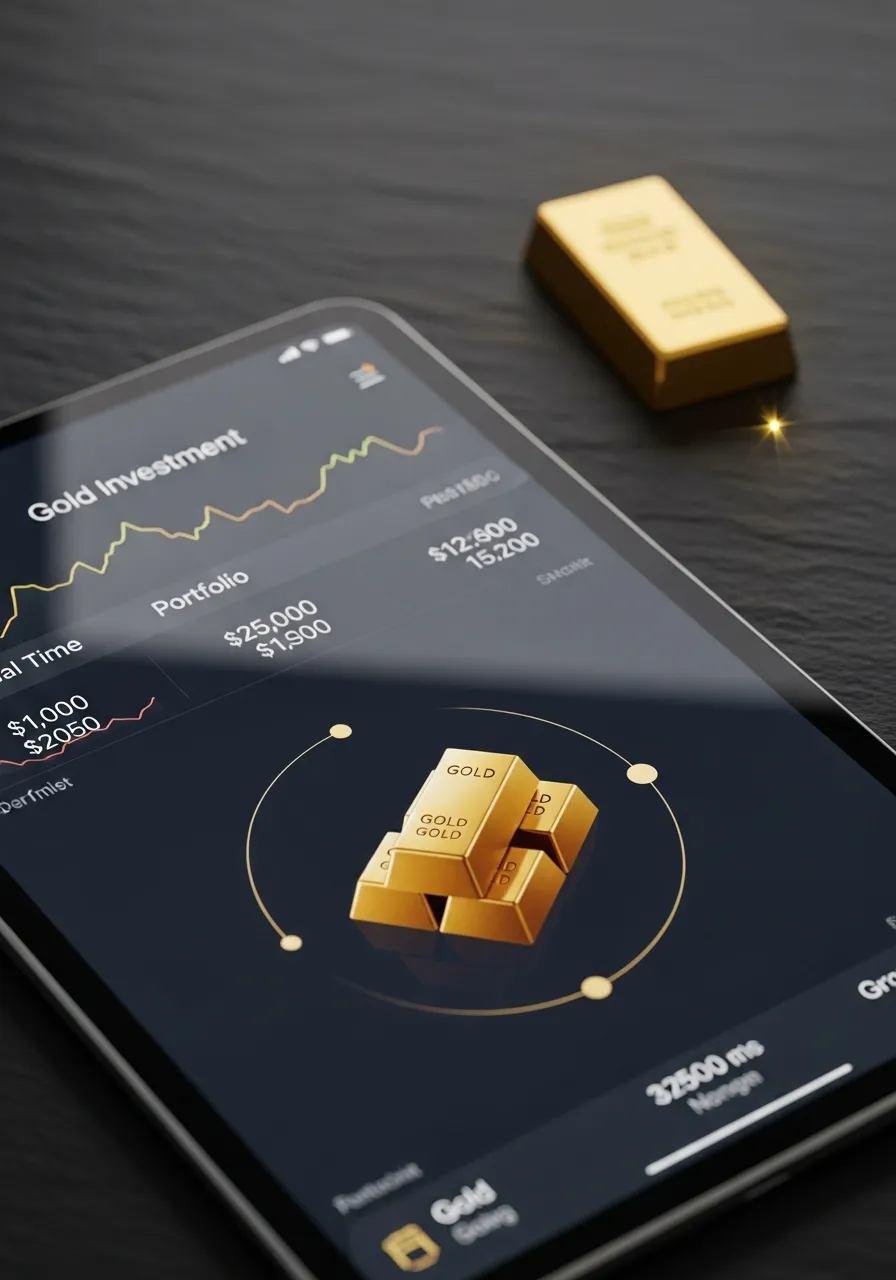
MYTH: “Storing physical gold is impractical and dangerous.”
THE REALITY
The idea of storing precious metals conjures images of buried treasure chests or elaborate home safes. While personal storage is an option for those who prioritize absolute physical control, it comes with the responsibilities of security and insurance. The belief that this is the *only* way to store gold is false and overlooks the professional solutions available to every investor. Reputable precious metals dealers and specialized service providers offer secure, fully insured vaulting services at professional, non-bank facilities around the world. These vaults are subject to regular, independent audits, providing owners with peace of mind that their asset is accounted for and protected. For a modest annual fee, investors can store their gold in a high-security environment without any of the personal risk or logistical headaches of home storage. This model is the backbone of modern digital gold, where the issuer manages the professional storage on behalf of all the owners, making secure ownership seamless and effortless.MYTH: “Digital gold isn’t real gold.”
THE REALITY
This is perhaps the most critical misconception for the modern investor to understand. The term “digital gold” is used broadly and can refer to very different products. Some products, like gold ETFs (Exchange-Traded Funds) or futures contracts, are financial derivatives that track the price of gold. With these, you own a security, not the metal itself. This is a valid way to get price exposure, but it does not grant you direct ownership of a physical asset. However, a new and distinct category of digital gold has emerged: tokenized, 1:1 backed physical gold. In this model, each digital token or entry in a digital ledger represents direct, legal title to a specific quantity of real, physical gold held in an insured and audited vault. The digital token is simply a tool—a convenient, 21st-century property title. This structure combines the security of physical ownership with the liquidity and ease of a digital asset. The key for investors is to perform due diligence and confirm that the provider offers 1:1 backing, regular audits by third parties, and the option to redeem the digital token for the physical metal. Learning how digital gold tokenization secures your investment is crucial to distinguishing between a derivative and a true digital property right.Myth vs. Reality at a Glance
| Myth | Reality |
|---|---|
| You need a lot of money to buy gold. | Fractional and digital options allow investors to start with small, regular purchases. |
| Gold is an outdated asset with no utility. | It is a premier wealth preservation tool, a hedge against inflation, and has key industrial uses. |
| Gold doesn’t generate income. | Largely true, as its primary return is price appreciation. New yield-bearing products exist but add risk. |
| Storing gold is difficult and dangerous. | Professional, insured vaulting services and digital gold models eliminate storage burdens for the owner. |
| Digital gold isn’t real gold. | It depends. Tokenized, 1:1 backed digital gold represents direct ownership of physical metal in a vault. |
Navigating the world of alternative assets requires a commitment to critical thinking. Gold’s enduring value is a matter of historical record, but the methods for owning it are evolving rapidly. Do not let outdated myths or an incomplete understanding of new technologies deter you from exploring it as a tool for financial resilience. We encourage every reader to look beyond headlines, ask critical questions, and seek out primary sources like audit reports and provider documentation. By separating fact from fiction, you can take confident, pragmatic steps toward building lasting wealth on your own terms.
